Contact Us For Collection

Orders above £25 Free Delivery

    Contact Us For Collection

    Orders above £25 Free Delivery

    Delivery 2-3 Working Days

    search for Article number
  • Login

  • Find correct parts for your car.

    Search by registration number

    GB

    VIN number / Chasis number
    OR

    Select Car Make Model

    1
    2
    3

    In stock
    In stock
    In stock
    In stock
    In stock
    In stock
    In stock
    In stock
    In stock
    In stock
    In stock
    In stock
    In stock
    In stock
    In stock
    In stock
    In stock
    In stock
    Brake Discs

    Brake Discs

    Brake Discs (Rotors) | Types, How to Choose & When to Replace

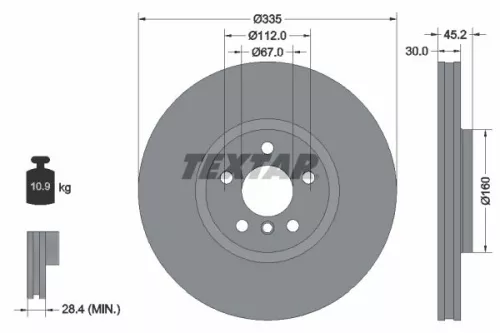
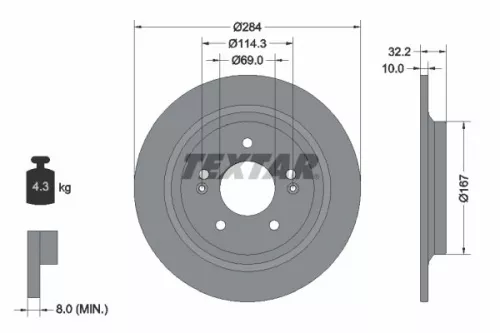
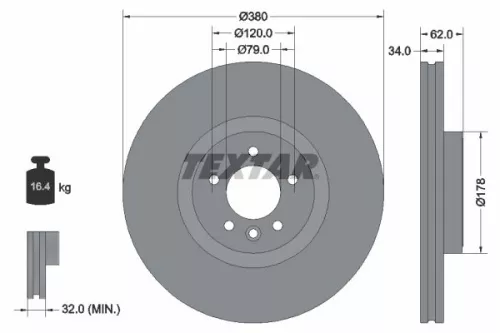
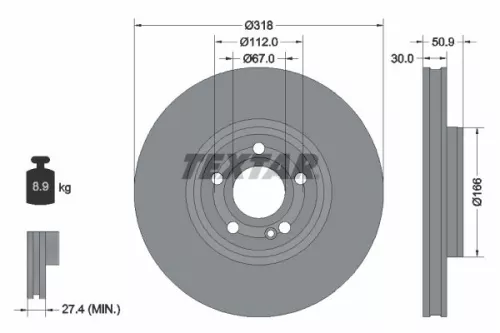
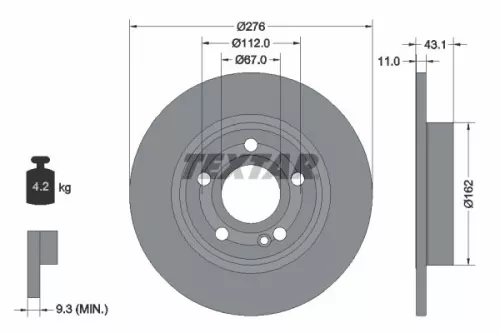
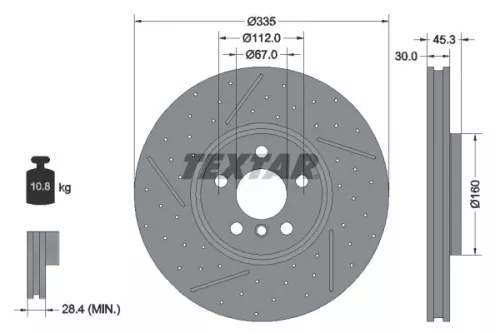
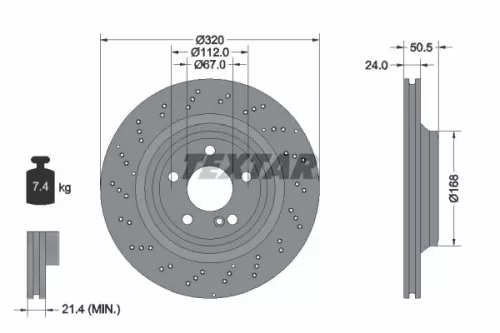
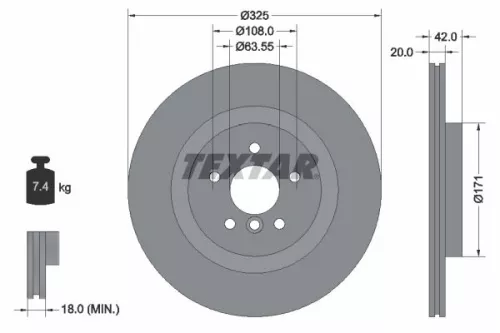
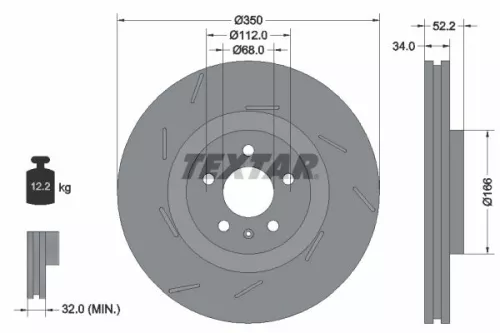
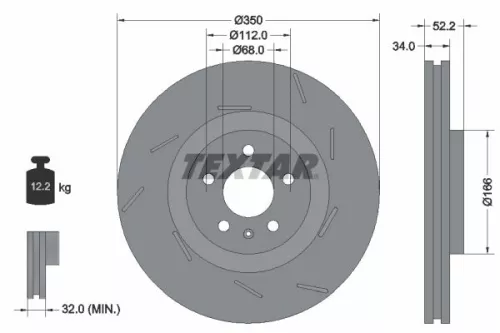
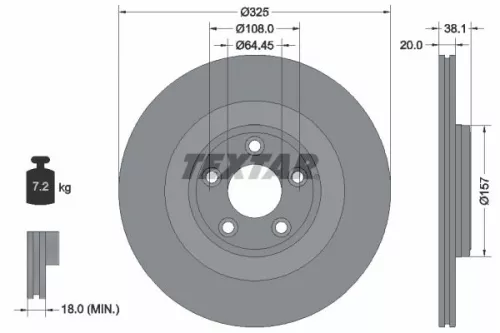
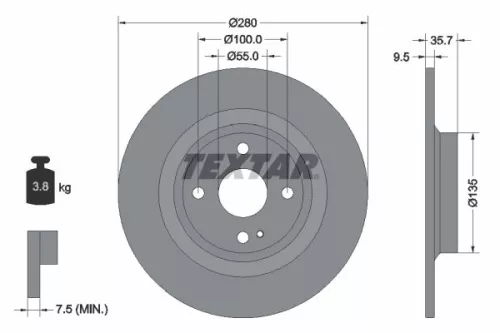
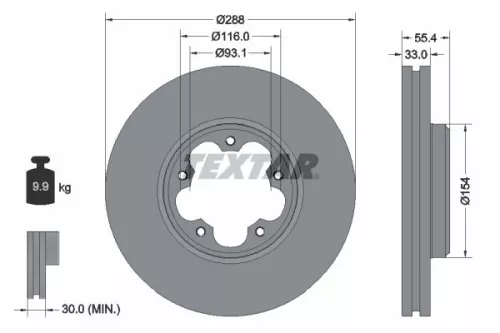
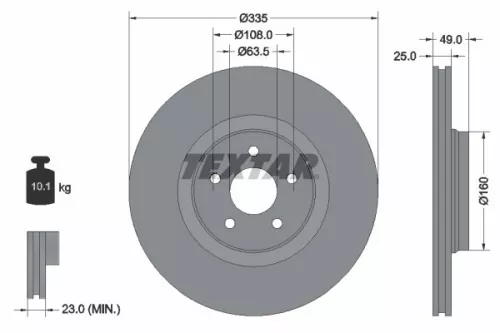
    AZ Motor Factors supplies a wide range of brake discs for cars and vans, including front brake discs and rear brake discs. Because disc specifications can vary by model, engine, trim and year, always confirm the correct diameter, thickness, vented/solid design and brake system type in the product notes before ordering.

    Types of brake discs (quick guide)

    • Solid discs: Common on many rear axles. Reliable, cost-effective for everyday driving.
    • Vented discs: Internal vanes improve cooling. Often front-fitted and better for repeated braking (motorways, hills, towing).
    • Drilled / perforated discs: Holes help clear water and debris and can sharpen feel. Choose quality—cheaper drilled discs can be more prone to cracking under hard use.
    • Grooved / slotted discs: Channels clear dust/water and help prevent pad glazing. May be slightly noisier and increase pad wear.
    • Drilled + grooved: Performance-style mix. Not always needed for normal driving; may add noise/pad wear.
    • Coated / anti-corrosion discs: Protective coating helps reduce rust—ideal for UK weather and vehicles that do short trips.
    • High-carbon discs (where available): Improved heat stability and can reduce vibration—great for heavier vehicles or frequent braking.

    When should you replace brake discs?

    There isn’t one exact mileage that fits every vehicle, because disc life depends on driving style, vehicle weight, road salt, towing, stop-start use and pad compound. As a general guide, many vehicles may need discs replaced roughly every 30,000–70,000 miles (often every 2nd pad change), but condition and thickness should always be the deciding factor.

    • Below minimum thickness: If the disc measures under the manufacturer’s minimum spec, it must be replaced.
    • Vibration through the pedal or steering when braking (possible runout/warping).
    • Squealing or grinding noises, or reduced stopping performance.
    • Visible scoring, cracking, heavy lipping on the edges, or deep grooves.
    • Heavy corrosion/pitting on the braking surface (common on short-trip vehicles).
    • MOT advisories for disc condition, wear, or brake imbalance.
    • Overheating signs: blue/purple heat spots or a burning smell after normal driving.

    Read our brake warning signs guide →

    Tip: Replace discs in pairs on the same axle and consider fitting new brake pads at the same time for the best bedding-in and performance. After fitting, follow a sensible bedding-in period with gentle stops to help the pads and discs mate correctly.