Contact Us For Collection

Orders above £25 Free Delivery

    Contact Us For Collection

    Orders above £25 Free Delivery

    Delivery 2-3 Working Days

    search for Article number
  • Login

  • Find correct parts for your car.

    Search by registration number

    GB

    VIN number / Chasis number
    OR

    Select Car Make Model

    1
    2
    3

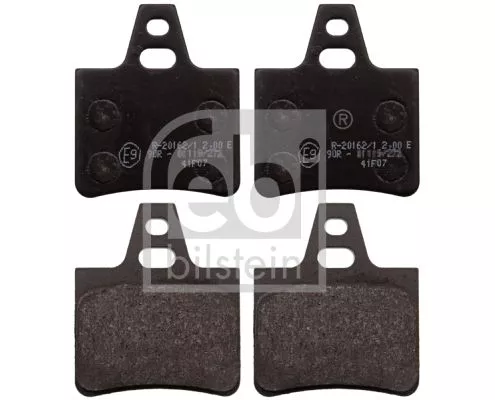
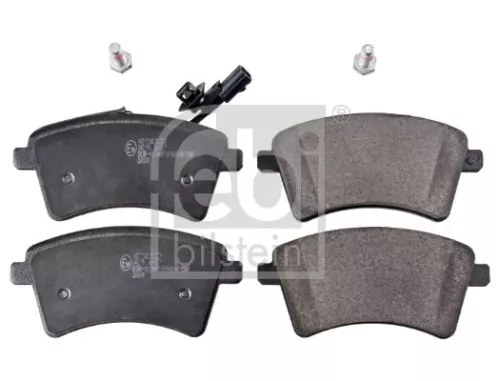
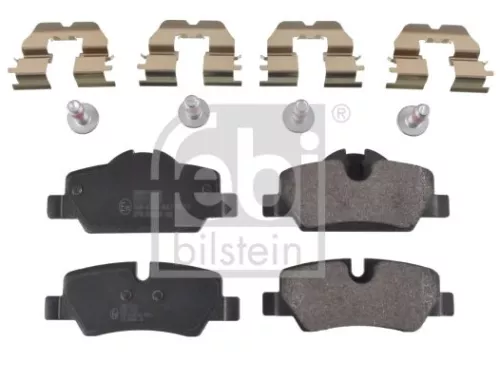
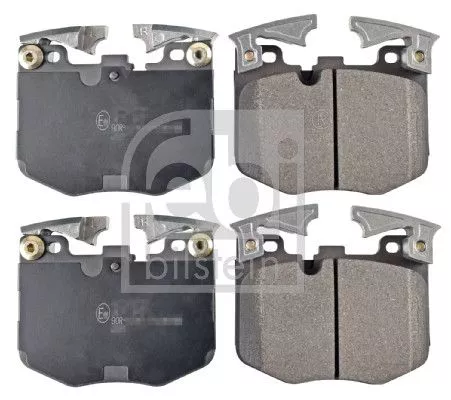
    Febi Rear Brake Pad Set For Citroën Xm

    EAN: 4054224160404
    Product number: 116040

    £ 22.93

    In stock
    In stock
    In stock
    In stock
    In stock
    In stock

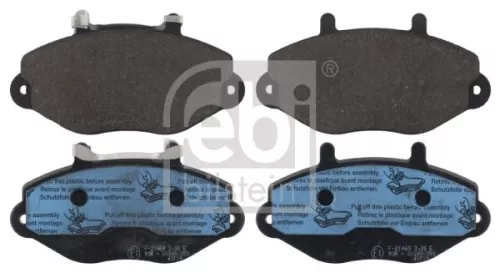
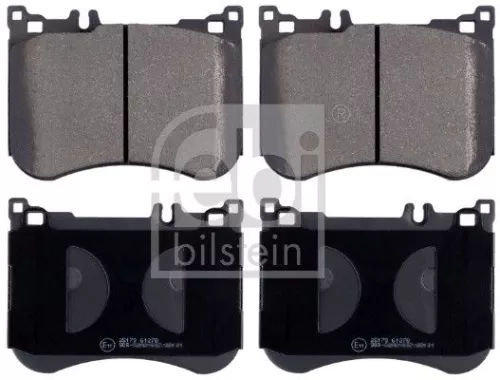
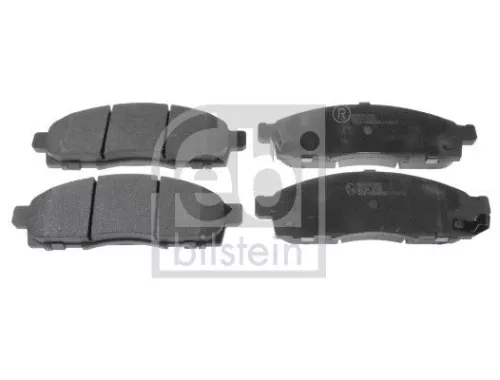
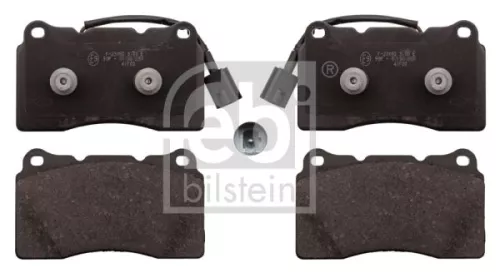
    Febi Rear Brake Pad Set For Ford Fiesta

    EAN: 4054224162408
    Product number: 116240

    £ 19.30

    In stock
    In stock
    In stock

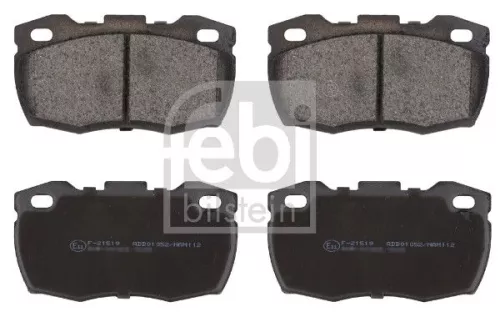
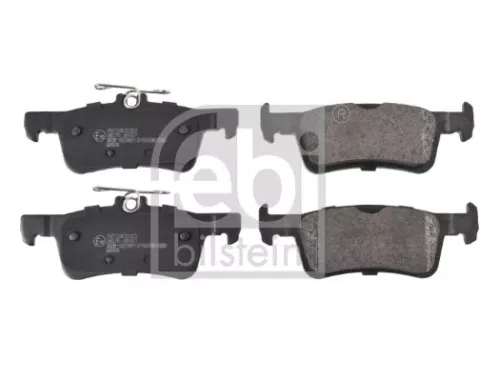
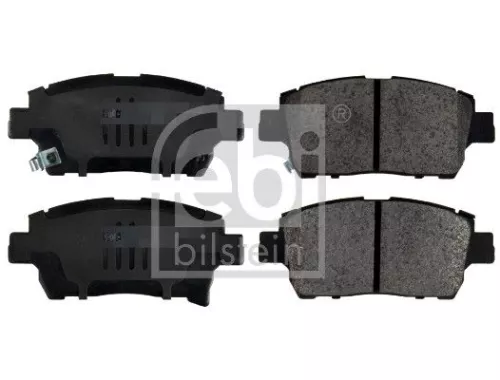
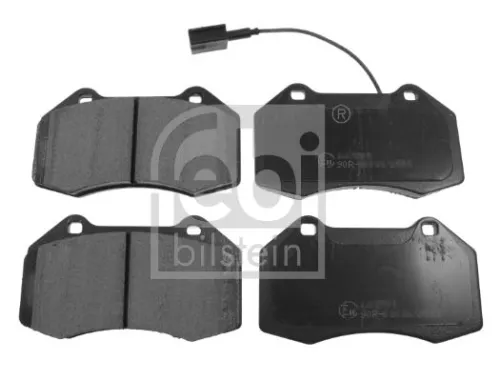
    Febi Rear Brake Pad Set For Mini Mini

    EAN: 4054224162903
    Product number: 116290

    £ 22.93

    In stock
    In stock
    In stock
    In stock
    In stock
    In stock
    In stock
    In stock
    In stock
    Brake pads

    Brake pads

    Brake Pads | Types, How to Choose & When to Replace

    AZ Motor Factors supplies a wide range of brake pads for cars and vans, including front brake pads and rear brake pads. Because pad shape and braking systems can vary by model, engine, trim and year, always confirm the correct fitment (and any sensor/clip requirements) in the product notes before ordering.

    Types of brake pads (quick guide)

    • Ceramic: Often quieter with lower dust. Great for daily driving and clean wheels.
    • Semi-metallic: Strong bite and heat handling. Popular for heavier vehicles and mixed driving.
    • Organic (NAO): Smooth and quiet, usually softer. Can wear faster under hard use.
    • Low-metallic: Good stopping power, more dust/noise than ceramic in some cases.
    • Performance pads: Higher-temperature compounds for spirited driving (may create more dust/noise).

    When should you replace brake pads?

    Pad life depends on driving style, vehicle weight, stop-start use and road conditions. As a general guide, many vehicles replace pads around 20,000–40,000 miles, but some may last longer and others less. Always use condition as the deciding factor.

    • Low pad thickness: If friction material is around 3mm or less, replace soon (many manufacturers recommend changing before it gets that low).
    • Warning light / sensor: Some vehicles have pad wear sensors that trigger a dashboard light.
    • Squealing: Wear indicators can make a high-pitched squeal when pads are near the limit.
    • Grinding: Often means pads are worn through and metal is contacting the disc—replace immediately and check disc damage.
    • Reduced braking / longer stopping distance or the car pulling to one side under braking.
    • Uneven wear: One pad worn much more than the other may indicate a sticking caliper or slider issue.

    Best practice for fitting brake pads

    • Replace pads as an axle set (both sides on the same axle).
    • Check disc condition at the same time (scoring, lipping, corrosion, thickness).
    • Clean and lubricate sliders/pins correctly and confirm calipers move freely.
    • Follow a short bedding-in period after fitting (gentle stops, avoid heavy braking at first).

    Read our brake warning signs guide →