Shock Absorbers Springs Mounts
Suspension Parts | Shock Absorbers, Coil Springs, Leaf Springs & Top Mounts
The suspension system keeps your vehicle stable, comfortable and safe by controlling body movement, maintaining tyre contact,
and supporting the vehicle’s weight. AZ Motor Factors supplies a wide range of shock absorbers,
coil springs, leaf springs, top mounts, and related suspension parts for cars and vans.
Because suspension setups can vary by model, engine, trim and year, always confirm fitment details before ordering.
Key suspension components (what they do)
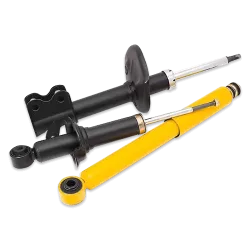
- Shock absorbers (dampers): Control bounce and body roll by damping spring movement. Worn shocks increase stopping distance and reduce road grip.
- Struts (MacPherson struts): A combined shock + structural suspension unit used on many front axles. Often replaced as complete assemblies.
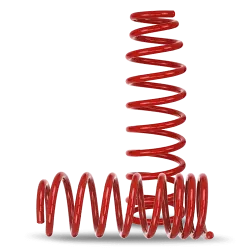
- Coil springs: Support vehicle weight and ride height. Common on most cars and many vans.
- Leaf springs: Often fitted to pickups and many rear van setups for load support and durability.
- Top mounts / strut mounts: Connect the strut to the body and reduce vibration. Front mounts may include a bearing to allow smooth steering rotation.
- Bump stops & dust boots: Protect shocks/struts and prevent harsh bottoming-out.
- Spring seats/isolators: Reduce noise and metal-to-metal contact, improving comfort.
When should you replace shocks, springs or mounts?
There’s no single mileage that fits every vehicle, but many shocks/struts start losing performance around
50,000–80,000 miles (sometimes sooner with heavy loads, poor roads or towing). Springs and mounts can last longer,
but fail from corrosion, impact or age. Always use symptoms and inspection as the deciding factor.
- Excessive bouncing: Vehicle continues to bounce after bumps, or feels “floaty” at speed.
- Nose dive / squat: Front dips heavily under braking or rear squats under acceleration.
- Clunking/knocking: Often from worn top mounts, loose hardware, or broken spring ends.
- Uneven tyre wear: Cupping/scalloping can indicate weak dampers or poor suspension control.
- Leaks: Oil on the shock/strut body is a common sign the damper is failing.
- Poor handling: More body roll, unstable cornering, or wandering on the motorway.
- Ride height issues: Sagging corner, uneven stance, or scraping—often points to a weak/broken spring.
- Broken or cracked spring: More common in UK conditions due to road salt and corrosion (especially coil spring ends).
- Load handling problems: Vans/pickups sitting low when loaded can indicate tired leaf springs or weak rear dampers.
Coil springs vs leaf springs (which is which?)
- Coil springs: Typically deliver a smoother ride and are common on cars. Failures often show as a broken end coil or sagging ride height.
- Leaf springs: Designed to support heavier loads and are common on vans/pickups. Wear can show as sagging, cracks, broken leaves, or worn bushes/shackles (where fitted).
Best practice (performance + safety)
- Replace shocks/struts in pairs on the same axle for balanced handling and braking.
- Consider replacing top mounts, bearings, bump stops and dust boots when fitting new struts—common wear items that affect noise and steering feel.
- If replacing springs, check both sides and replace as an axle pair to maintain correct ride height.
- After suspension work, a wheel alignment is recommended to protect tyres and restore handling.
Tip: If your vehicle feels harsh over bumps, noisy when turning, or unstable at speed, suspension wear may be the cause.
Replacing tired shocks, springs and mounts can restore comfort, braking stability and tyre contact with the road.