Contact Us For Collection

Orders above £25 Free Delivery
Contact Us For Collection
Orders above £25 Free Delivery
Contact Us For Collection
Orders above £25 Free Delivery

Delivery 2-3 Working Days
Search by registration number
VIN number / Chasis number

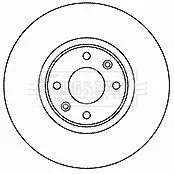
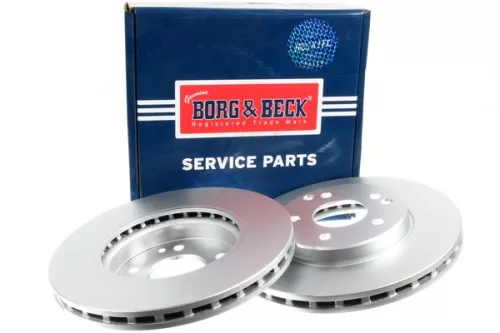
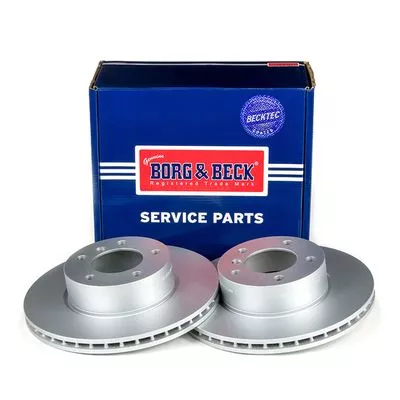
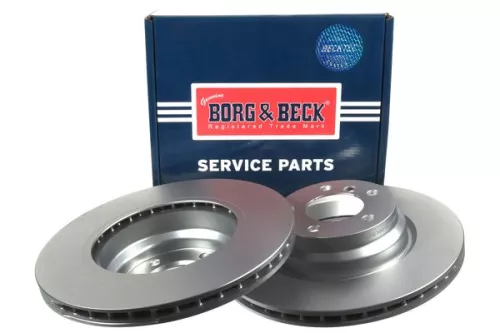
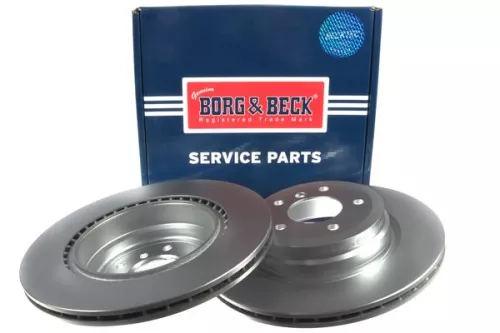

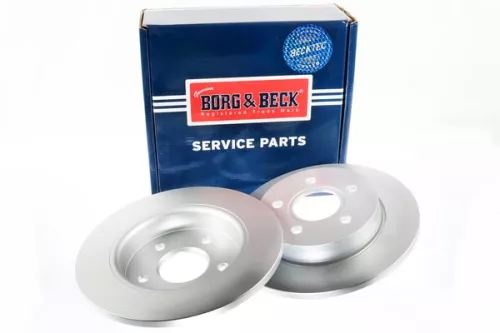


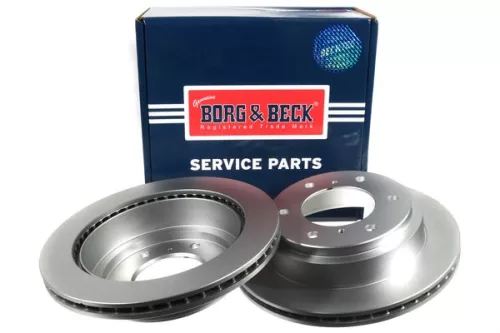
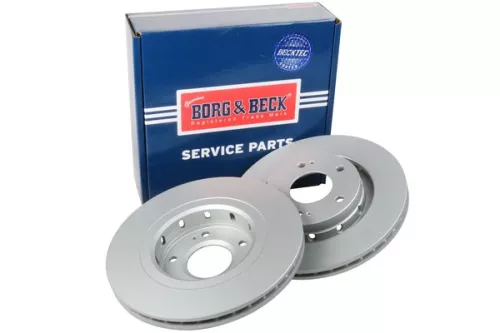
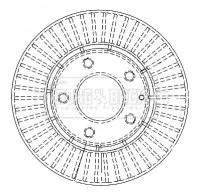
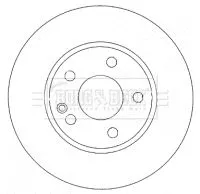
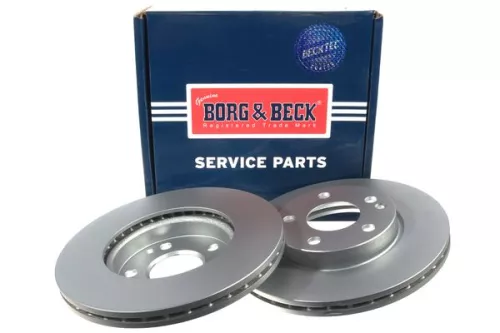
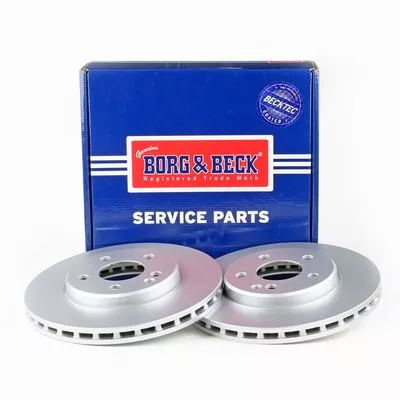
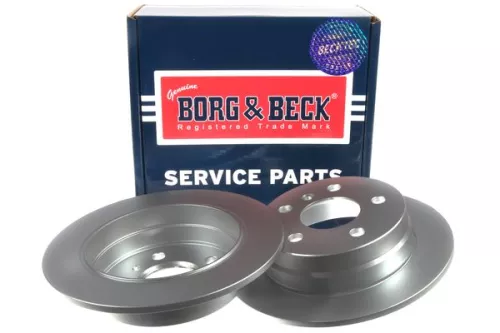
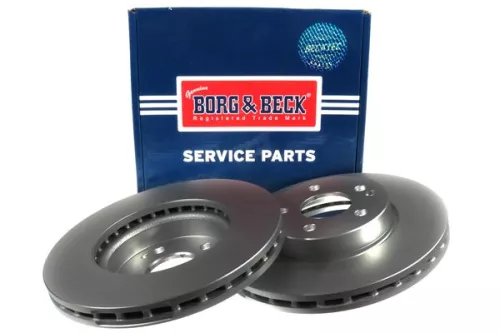
AZ Motor Factors supplies a wide range of brake discs for cars and vans, including front brake discs and rear brake discs. Because disc specifications can vary by model, engine, trim and year, always confirm the correct diameter, thickness, vented/solid design and brake system type in the product notes before ordering.
There isn’t one exact mileage that fits every vehicle, because disc life depends on driving style, vehicle weight, road salt, towing, stop-start use and pad compound. As a general guide, many vehicles may need discs replaced roughly every 30,000–70,000 miles (often every 2nd pad change), but condition and thickness should always be the deciding factor.
Read our brake warning signs guide →
Tip: Replace discs in pairs on the same axle and consider fitting new brake pads at the same time for the best bedding-in and performance. After fitting, follow a sensible bedding-in period with gentle stops to help the pads and discs mate correctly.
Contact Us For Collection
Orders above £25 Free Delivery
Delivery 2-3 Working Days