


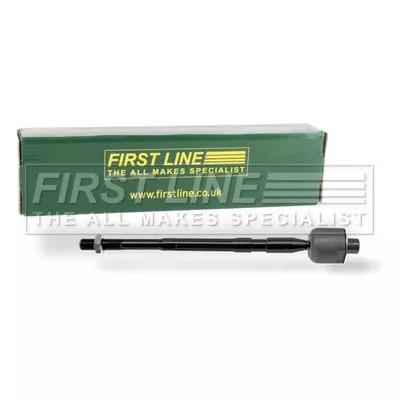
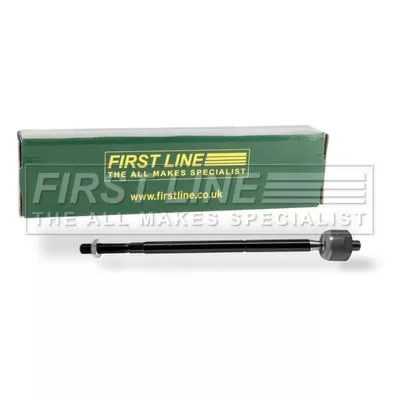

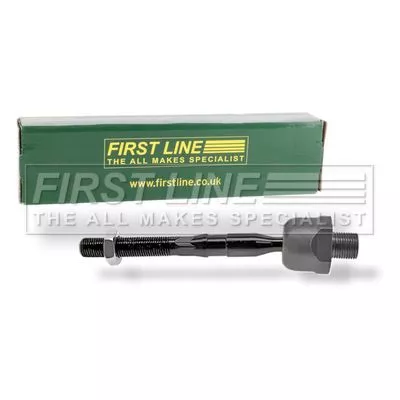
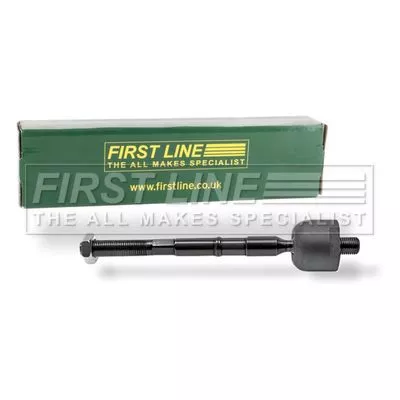
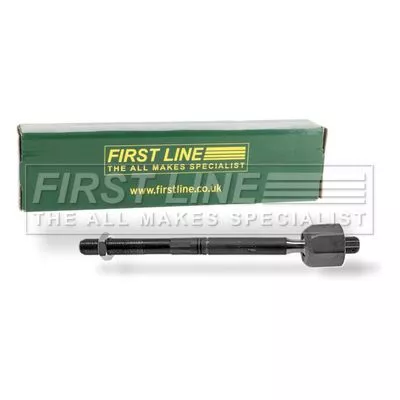
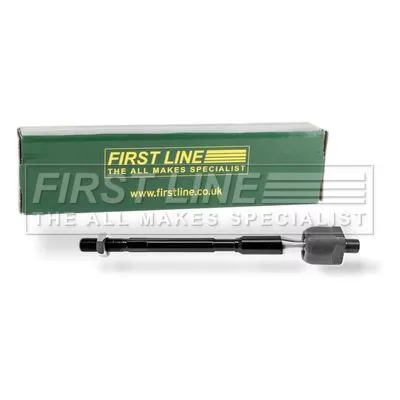
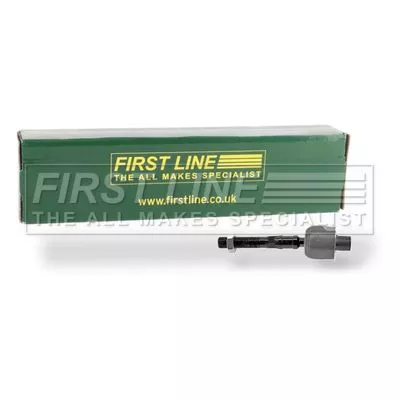
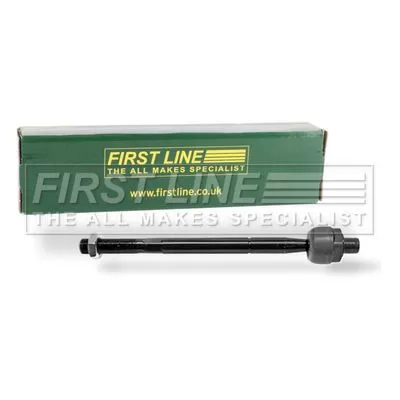
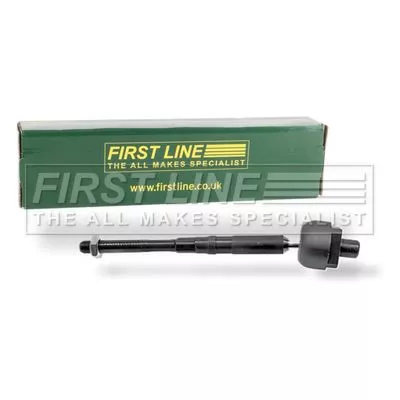
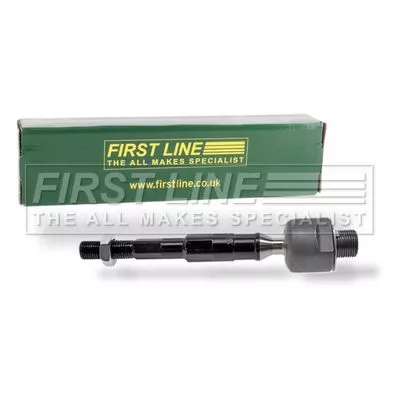
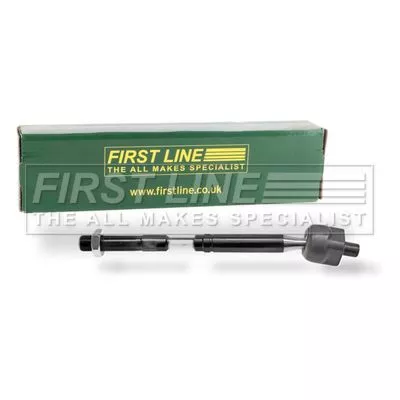
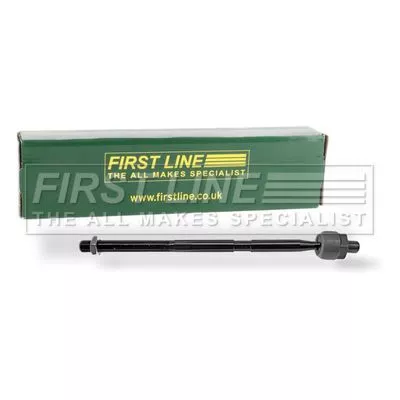
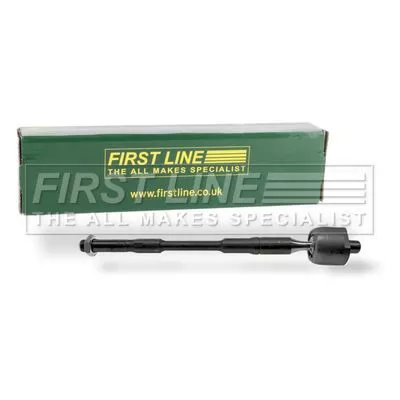
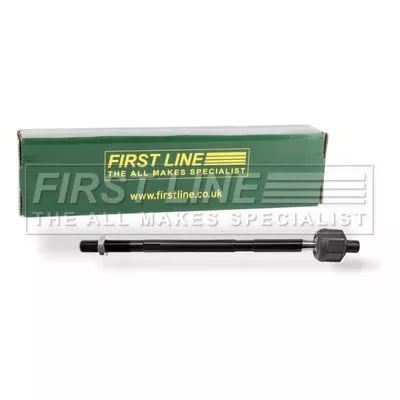
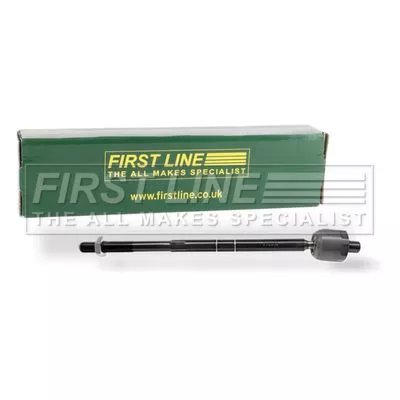
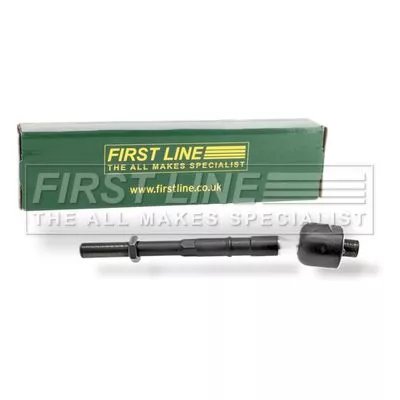
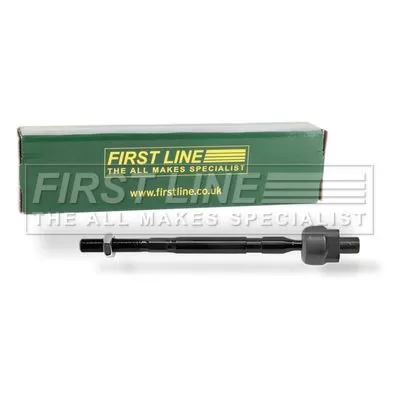
Inner Track Rod for My Car: Your Guide to Buying Inner Tie Rods Online
In modern vehicle steering control systems, either axial joints (inner track rods) or radial joints are utilized. The history of these critical steering components began almost 100 years ago with the Ruville company. Initially, these parts required constant maintenance, but today’s inner tie rods are engineered for durability. Despite their robust design, they are subjected to extreme daily loads. Consequently, there are high demands placed on manufacturers concerning precision accuracy and the correct choice of high-grade materials.
In professional repair shops, significant attention is paid to these details because the precise handling of the car is vital for safety. Maintenance requires careful handling of these steering components. A damaged or shaking thrust bearing or worn axial joint will lead to the rapid wear of almost all other suspension parts. Therefore, it is crucial to quickly repair any damage to maintain control of the car steering.
Buy High-Quality Axial Joints and Inner Track Rods Online
In our online shop, we stock axial joints and inner track rods of the highest quality. Each car part is carefully quality-checked before sale. Thanks to our innovative service, you can quickly find the appropriate inner tie rod for your vehicle. The easiest way to search is to enter your registration number or VIN. Once entered, you will instantly find the compatible parts you need. Our online store offers a wide choice of goods, including shock mounts, ignition modules, release bearings, and a vast range of hoses. Our expert team is ready to assist you.
How to Identify a Malfunction of the Tie Rod Axle Joint
Diagnosing a faulty tie rod axle joint usually requires two people: one person should move the steering mechanism, while the second checks for free play in the joints. If you visit a service station, specialists will perform diagnostics using a professional free-play detector.
When checking the component yourself, simulate steering movements in various directions. You can verify if the component is securely fixed with a simple manual inspection. To move one component against another, use a pipe wrench and a tyre lever. Note: In diagnosing the joints, be extremely careful not to damage the rubber dust boots.
Symptoms that your Inner Track Rod needs replacement:
- Extraneous knocking or clunking noise is heard from the suspension.
- Steerability of the vehicle has deteriorated (wandering steering).
- Turning the steering wheel requires more physical effort.
- The tires are worn out unevenly or excessively.
- Vibration has increased and is felt distinctly on the steering wheel.
- Noticeable free play has appeared in the steering.
Reasons for Inner Track Rod Malfunctions
The primary reason for premature wear of the inner tie rod is often poor component quality. Long-term operation causes natural wear and the eventual destruction of the internal rubber inserts, leading to complete failure.
Another frequent cause of axial joint failure is a torn dust boot. A damaged boot compromises the protection of the joint, allowing dirt and moisture inside. This forms an abrasive deposit that grinds away the internal mechanism. The situation is aggravated by water, which gradually washes the essential lubricant out of the joint.
Mechanical damage, such as cracks or stripping of the thread, is often caused by unprofessional installation. Additionally, defects may appear faster if you prefer an aggressive driving style or if your vehicle is frequently operated on poor-quality roads.
Replacing the Tie Rod Axle Joint (Inner Tie Rod)
If you plan to replace the inner track rod yourself, strictly follow the maintenance instructions and recommendations stated in your car maker's documentation. The general procedure is as follows:
- Lock the rear wheels of the vehicle for safety.
- Lift the left and right sides of the vehicle to unload the stabilizer bar.
- Unscrew the bolt of the suspension joint under the shock absorber strut.
- Extract the joint stud.
- Mark the initial position of the component (crucial for maintaining approximate alignment).
- Unscrew the mounting nuts of the old inner tie rod.
- Install the new component in the exact position you marked.
- Tighten the nuts on the joint and the clamping bolt (the tightening torque for the latter should typically be 65 Nm).
- Important: Have the wheels professionally aligned at a service station immediately after replacement.
Note: The maximum service life of an inner tie rod is generally considered to be 100,000 kilometers of mileage.