Contact Us For Collection

Orders above £25 Free Delivery
Contact Us For Collection
Orders above £25 Free Delivery
Contact Us For Collection
Orders above £25 Free Delivery

Delivery 2-3 Working Days
Search by registration number
VIN number / Chasis number

| Manufacturer | Productnumber |
| vw | 2H0411317B |
| vag | 2H0 411 317 B , 2H0411317B |
| Usage numbers |
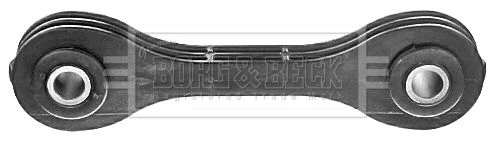
| BORG & BECK BDL7439 |
| DELPHI TC2667 |
| DYS 30-88462 |
| DYS 30-88462-5 |
| EURO CAR PARTS 632441169 |
| FAI AutoParts SS9424 |
| FEBI BILSTEIN 45353 |
| FIRST LINE FDL7439 |
| LEMFÖRDER 37107 01 |
| MEYLE 116 060 0038/HD |
| MEYLE MSL0652HD |
| MOOG VO-LS-15462 |
| NK 5114759 |
| OCAP 0505747 |
| OPTIMAL G7-1476A |
| QUINTON HAZELL QLS3838S |
| RTS 97-90934 |
| SIDEM 63760 |
| SWAG 30 94 5353 |
| SWAG 30 94 5784 |
| TALOSA 50-08270 |
| TALOSA 50-09791 |
| TRISCAN 8500 29676 |
| TRW JTS1833 |
| VAICO V102320 |
| Manufacturer | Model | Version | Engine code | Construction type | Construction start | Construction end | Pk | Power kw |
 vw vw |
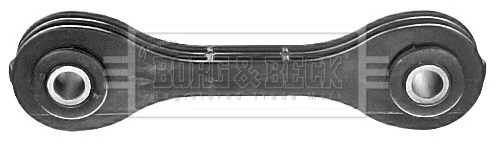
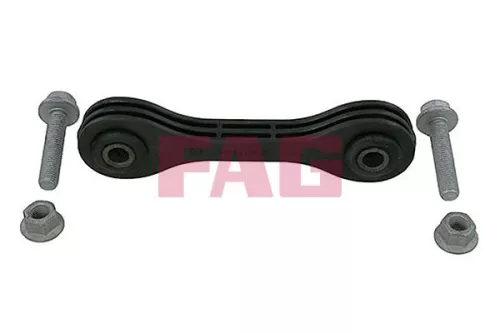
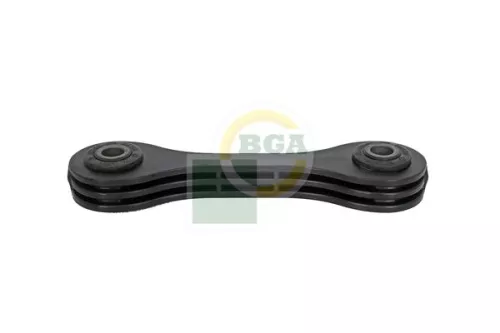
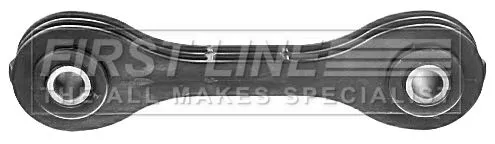
A stabiliser link—also called a sway bar link—connects the anti-roll bar (sway bar) to the vehicle’s suspension. It helps reduce body roll during cornering, improving handling stability and driver confidence.
• Clunking or rattling noises when driving over bumps
• Excessive body roll or a loose feeling in corners
• Uneven tyre wear due to inconsistent suspension geometry
• Visible play or worn bushings/ball joints when inspected
Yes—most links are bolt-on units. Basic tools (socket set, wrenches, torque wrench) and a jack with stands are required. Always support the vehicle securely, remove the old link, clean mounting points, and torque the new link to the manufacturer’s specification. Do not use an air Gun
For balanced handling and even wear, it’s best practice to replace the left and right links together. Even if only one link shows signs of wear, swapping both ensures consistent performance and reduces the likelihood of premature failure on the opposite side.
• Regular Inspections: Check links for play, worn boots or corrosion at least every 12 months or 12 000 miles.
• Keep Them Clean: Remove mud and road grit from around the ball joints and bushings to prevent abrasion.
• Lubricate Where Possible: If your link has grease fittings, apply recommended chassis grease during routine servicing.
• Protect from Corrosion: Treat exposed metal threads and boots with a light spray of anti-corrosion spray, especially in winter or salty environments.
• Avoid Extreme Loads: Heavy towing or off-road driving can accelerate wear—consider heavy-duty (HD) links if you frequently carry extra weight or tackle rough terrain.
Contact Us For Collection
Orders above £25 Free Delivery
Delivery 2-3 Working Days